Features of European cuisine
23.10.2023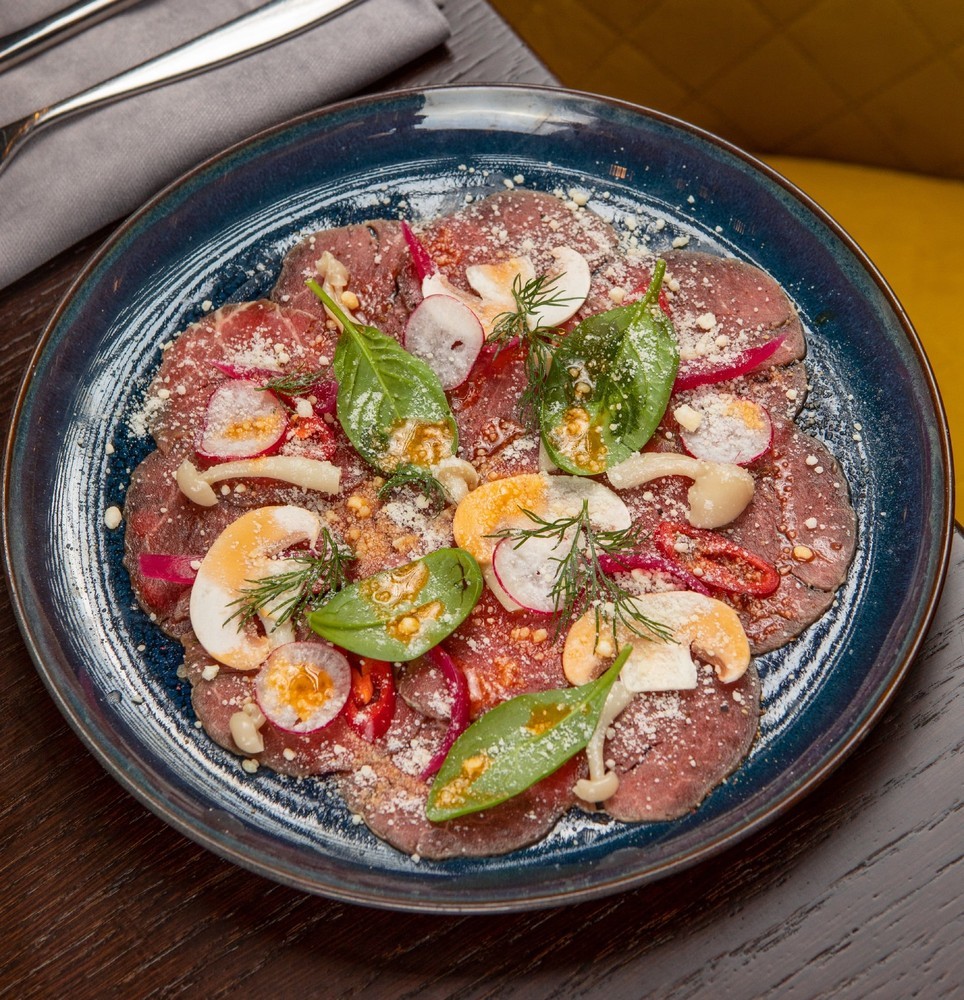
European countries have always attracted tourists. Moreover, it is worth paying attention to the number of historical monuments and the general cultural heritage. No less delight is caused by the variety of delicious dishes that European cuisine is famous for. It is very refined, so gastronomic tourism also has the right to "life". It is incredibly exciting.
European cuisine is a general concept that combines not only the cuisines of European countries. This includes dishes prepared in Oceania and Australia, Latin America and other countries whose cuisines have undergone significant changes under the influence of European culinary traditions. Each of them has its own characteristics and nuances and can be called Western or Continental.
European cuisine: facts
Dishes prepared in different countries differ significantly. Why? The emergence of certain recipes was influenced by climate, region, history, cultural and everyday traditions. However, continental cuisine has gained the greatest popularity. By booking a table in a European cuisine restaurant, you will have the opportunity to take a kind of journey, a gastro-tour of Europe.
- Onion soup
- Hungarian bograch
- Caesar
- Risotto
- Rack of lamb
- Romanian dumplings
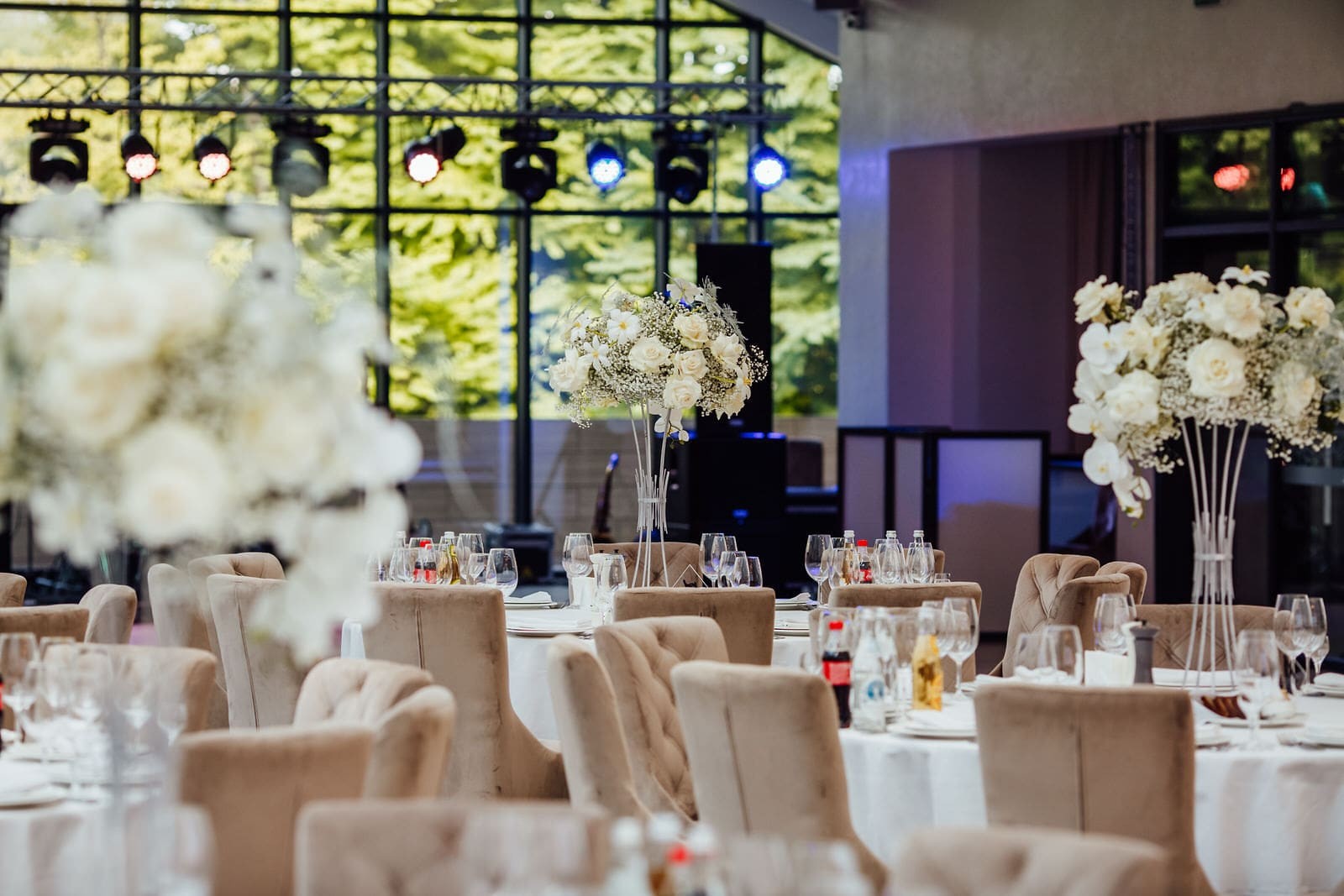
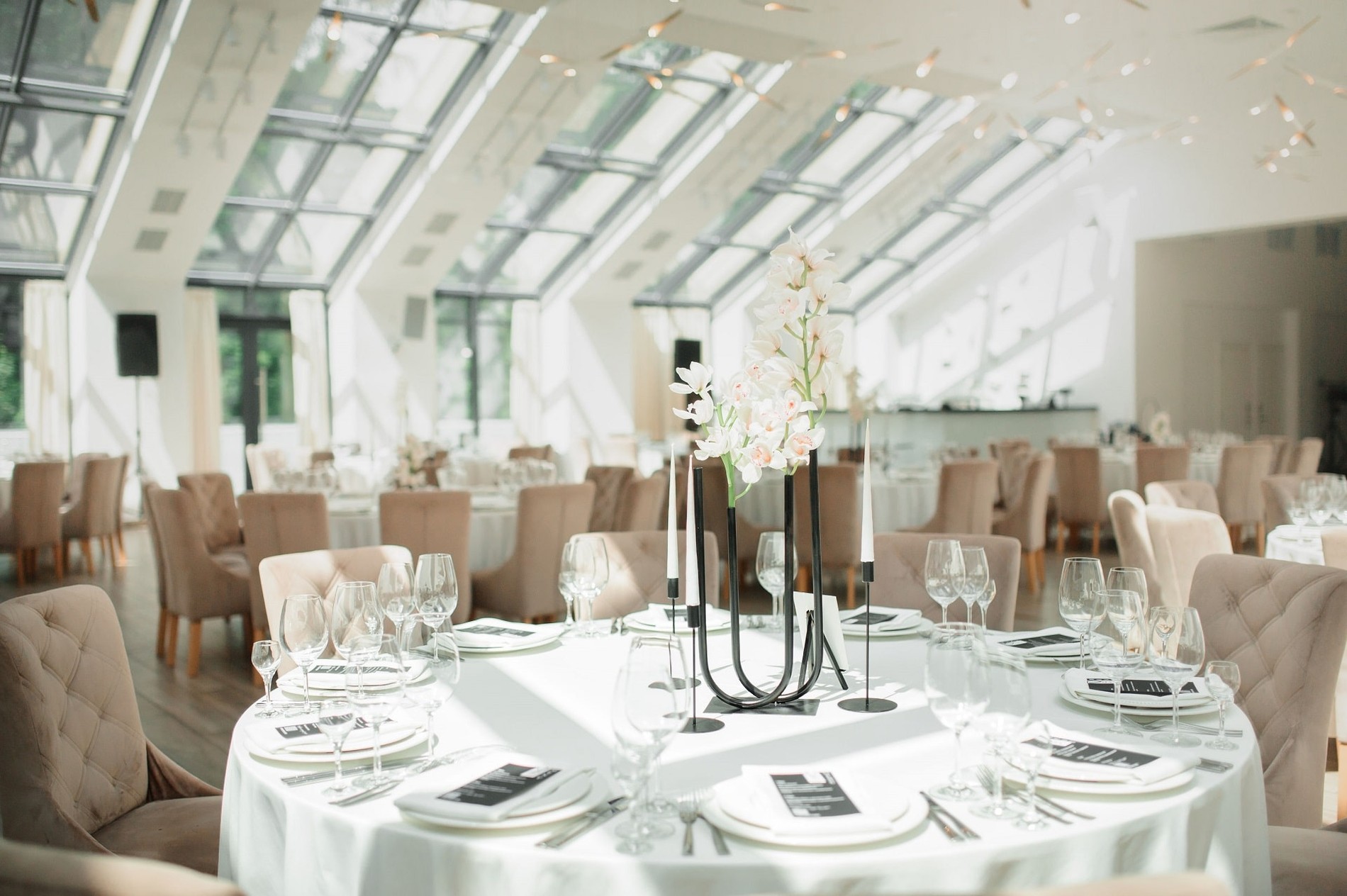
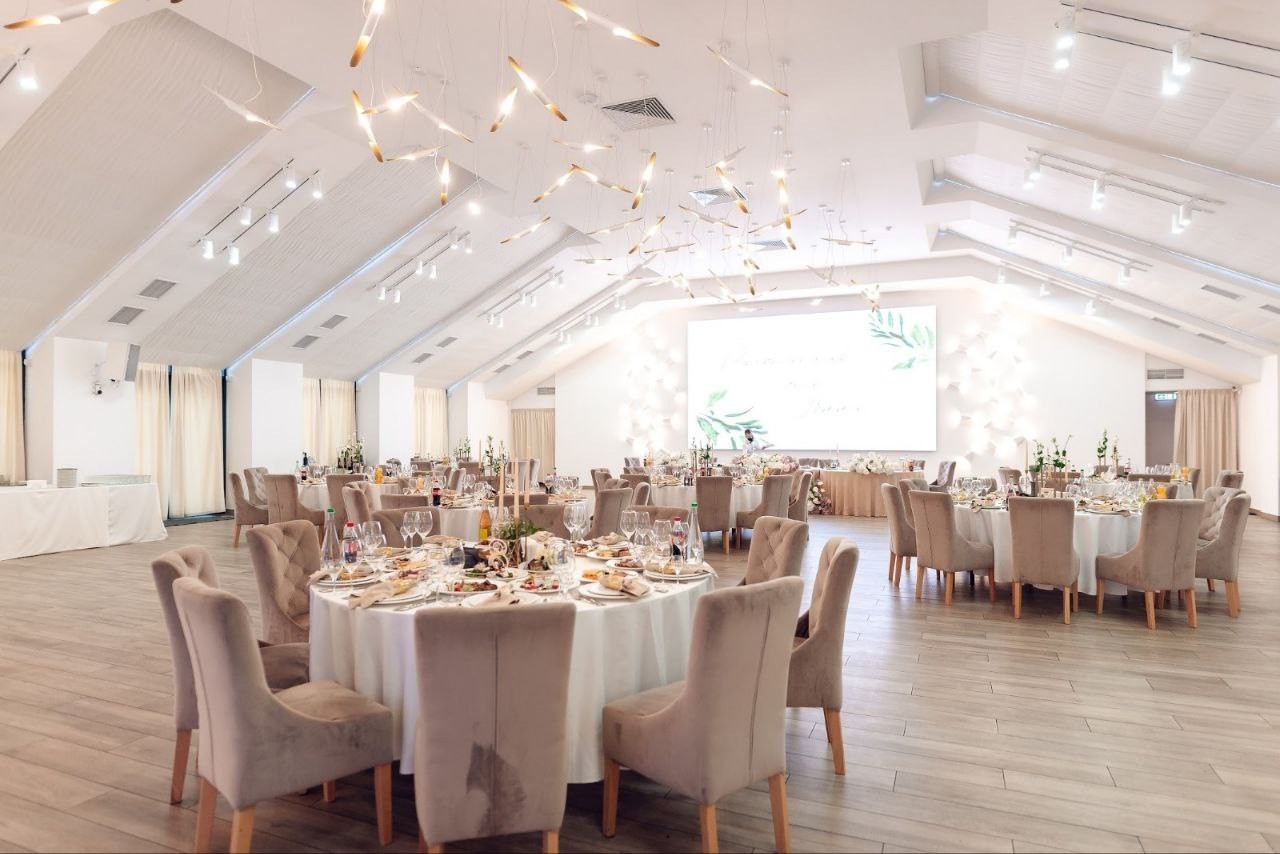
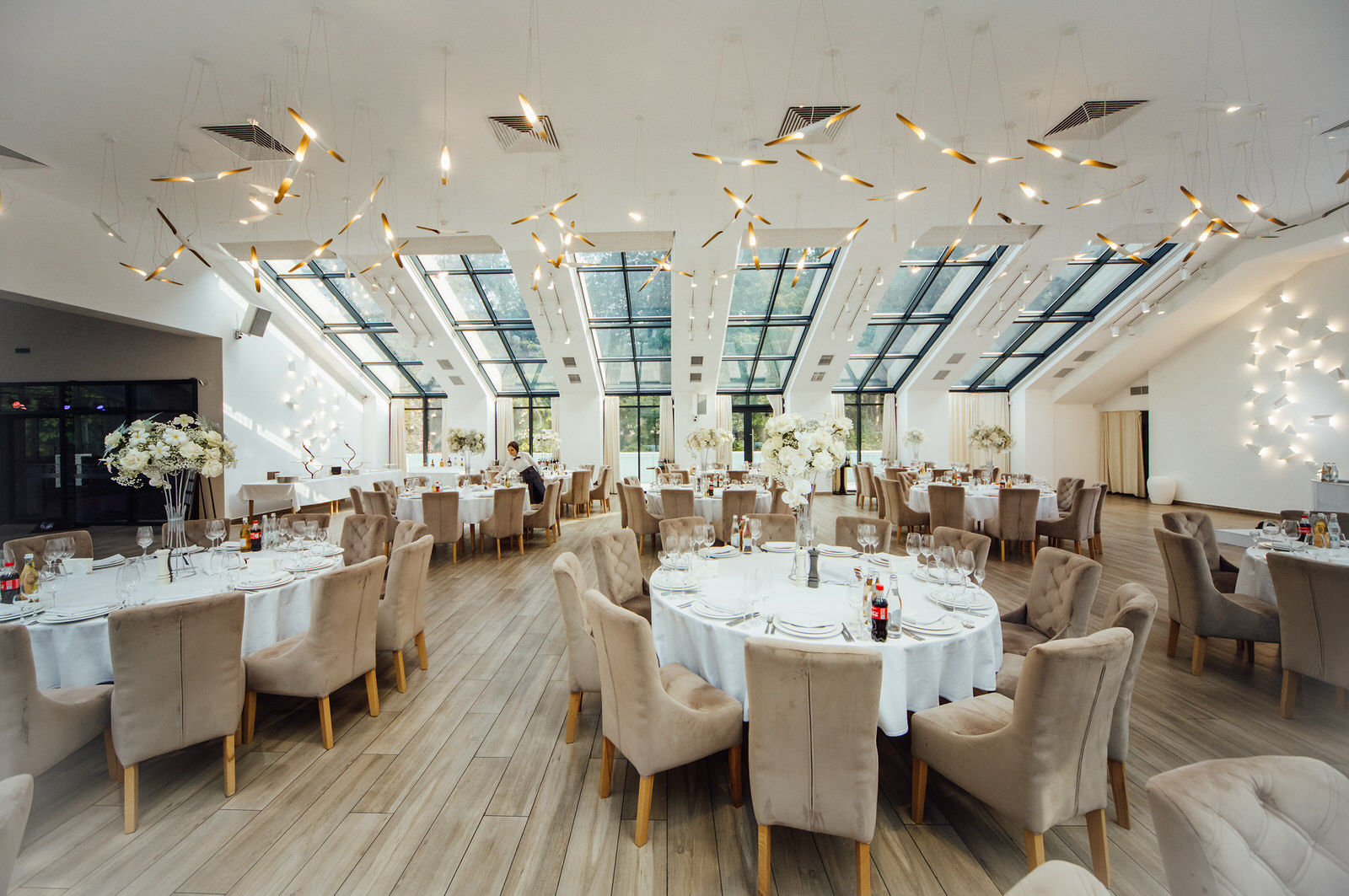
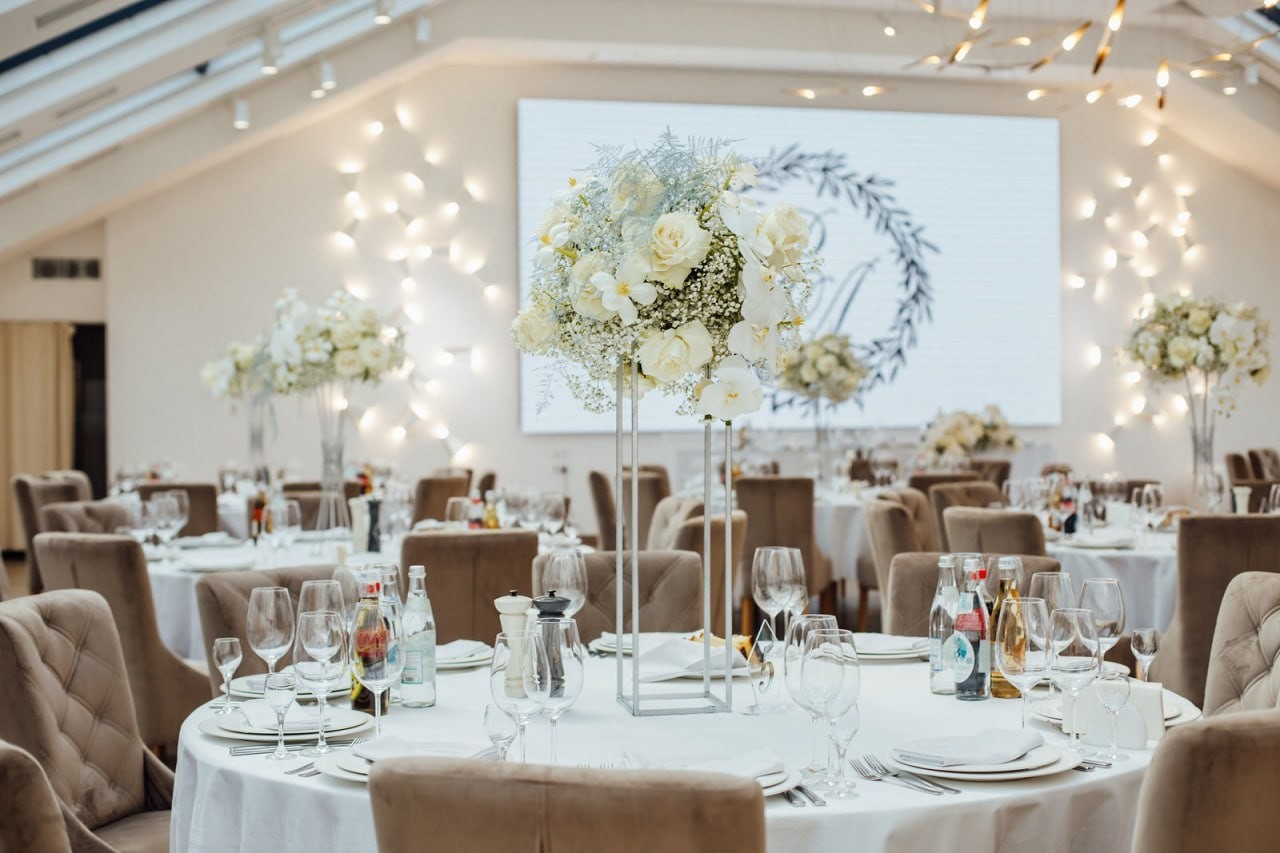
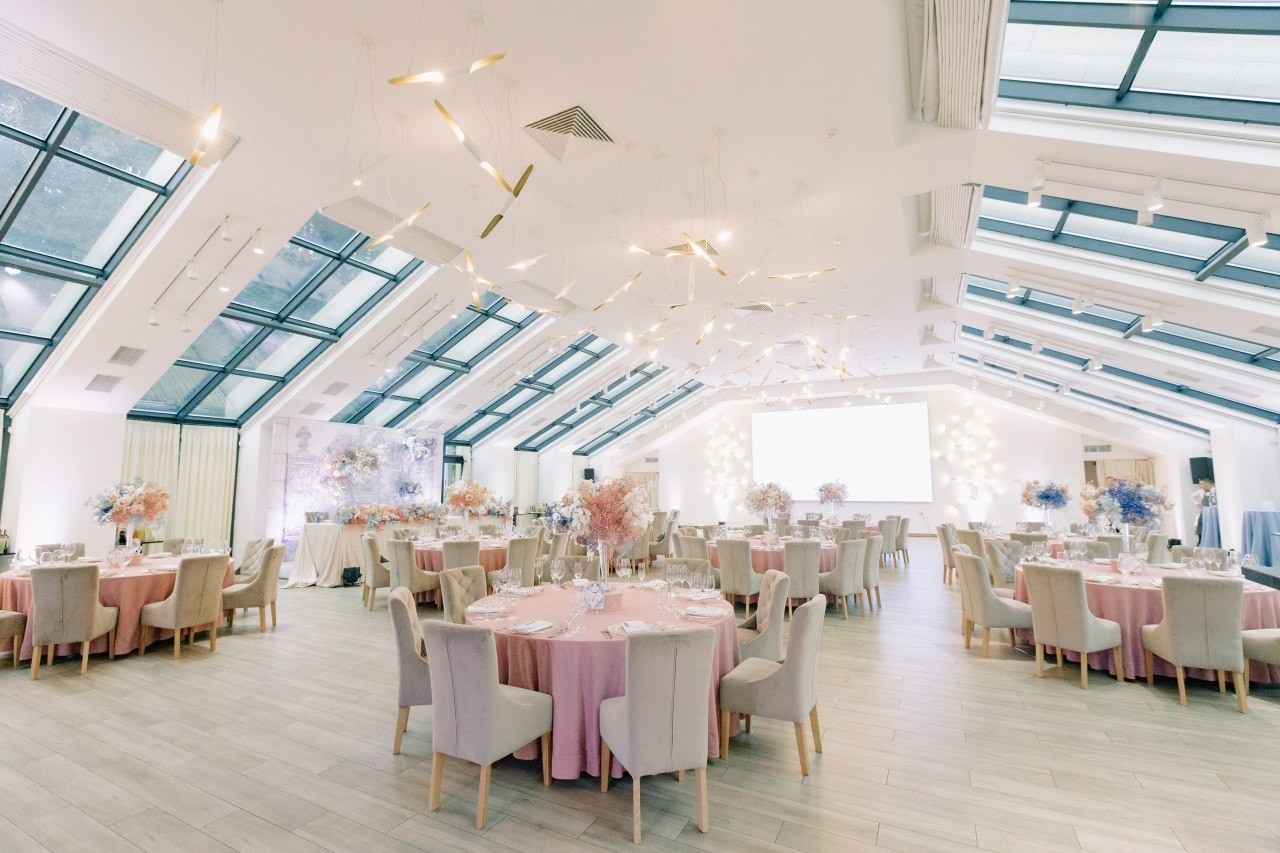
You can taste these and other dishes made according to traditional and original recipes at the Park. Art of Rest restaurant. Thanks to the wide range, you can taste food typical of different countries. However, despite the differences or common characteristics, it is prepared from a standard set of products - fish, meat, vegetables, cereals, flour and herbs.
The history of European cuisine begins in the Middle Ages. Common people ate fruits and vegetables, mushrooms and berries - everything they found in the forests and fields. It is not surprising that these components are present in modern dishes.
Continental cuisine combines fantasy and natural elements. European cuisine reflects the traditions of all of Europe. It is multifaceted and very colorful, embodies many customs and traditions. European cuisine dishes are the most popular in the world. They are also prepared at Art of Rest to satisfy the taste preferences of each client.
European cuisine: varieties
European cuisine combines the traditions of all European countries. It is conventionally divided into several groups:
- Northern European
These are traditions of the Baltics and Scandinavia, as well as Great Britain. The dishes are based on such components as fish and seafood. In addition, cereals, vegetables and berries, mushrooms are added to the food.
- Southern European
It is also Mediterranean (Greek, Turkish, Italian, Spanish, Portuguese and some other cuisines). These are very colorful dishes, which are prepared using meat and fish, vegetables and dairy products, as well as herbs, fruits and wine.
- Central European
These are German, Czech, Polish, Austrian and other dishes - vegetable side dishes and meat sausages, beer, liqueurs, coffee and sweet pastries.
- Eastern European
Ukrainian, Moldovan, Bulgarian, Georgian - in some cuisines the main emphasis is on the naturalness of products, in others - on the ability to give dishes the aromas and flavors of spices.
- Western European
These dishes are prepared in France, Holland and Switzerland. They are characterized by the use of cheeses and other dairy products. Elegance is combined with simplicity.
The evolution of European cuisine
Its development began in the Middle Ages. Royal chefs cooked masterfully, but the tastes of Europeans were constantly changing under the influence of events and the development of cultures. Now European cuisine is called classical. Why? Because of the pedantry of consumers in matters of freshness and quality of ingredients.
There is an opinion that European cuisine originated in Greece. From there, it "got" to Ancient Rome, and later continued its "journey" across Europe, identifying the main products characteristic of typical dishes. These are vegetables and fruits that grew in certain lands, meat obtained from birds and animals, fish that were found in rivers and seas.
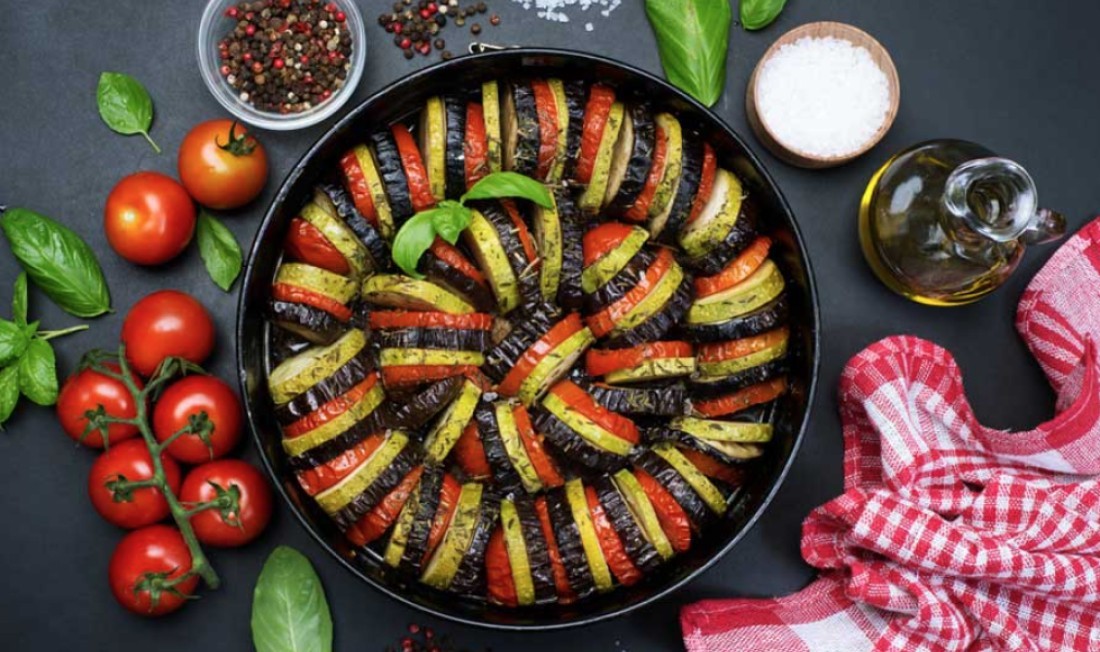
Popular dishes are made from poultry, pork, beef or lamb. There is a certain cult of meat that arose due to the unavailability of the product. Europeans love it, especially cooked on a fire, with sauce. Meat tastes great with fresh or stewed vegetables, with cereals. Among vegetables, cucumbers and tomatoes, potatoes, cabbage and peppers are the most popular. Among fruits - grapes, lemons and oranges. Fish - very diverse, but preference is given to crucian carp, perch, mackerel and mullet, and among seafood delicacies - mussels, squid, shrimp, octopus and oysters are in demand.
All European countries are different, so their cuisines are different in temperament. Having certain common ingredients, the dishes are striking in their taste diversity and difference in presentation. They may include:
- garlic and herbs;
- fennel, cinnamon, vanilla;
- cumin, tarragon, sage;
- raisins and nuts.
Chefs who prepare European cuisine strive to preserve the incredible taste properties of the ingredients. They carefully select herbs and use spices and seasonings with caution. The masters know what consumers like:
- marinated meat and vegetables on fire;
- salads with vegetables and green leaves;
- soups and dairy products;
- olives, nuts and fresh pastries;
- sauces and dressings made from olive oil or vinegar;
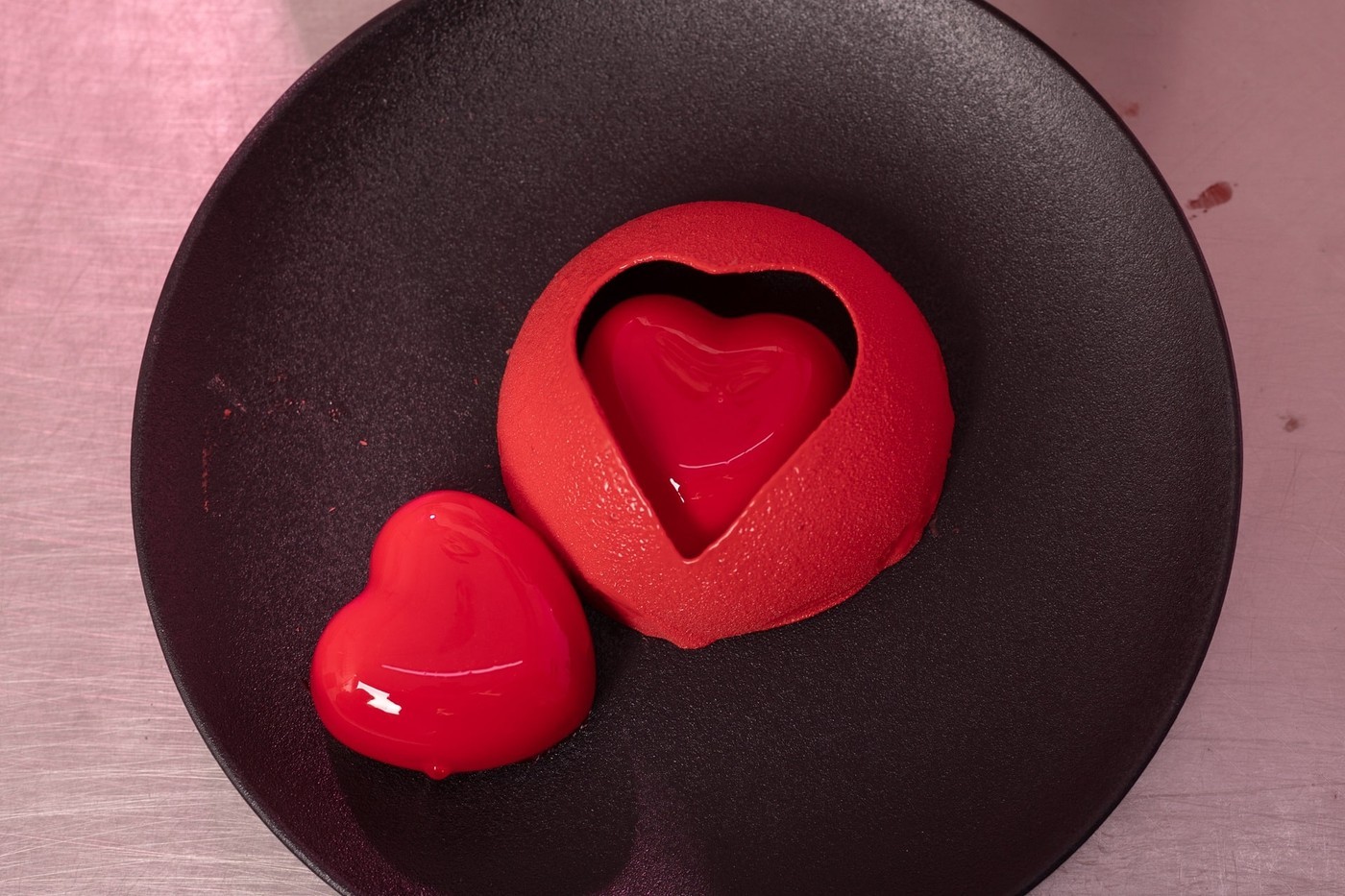
- desserts and wine.
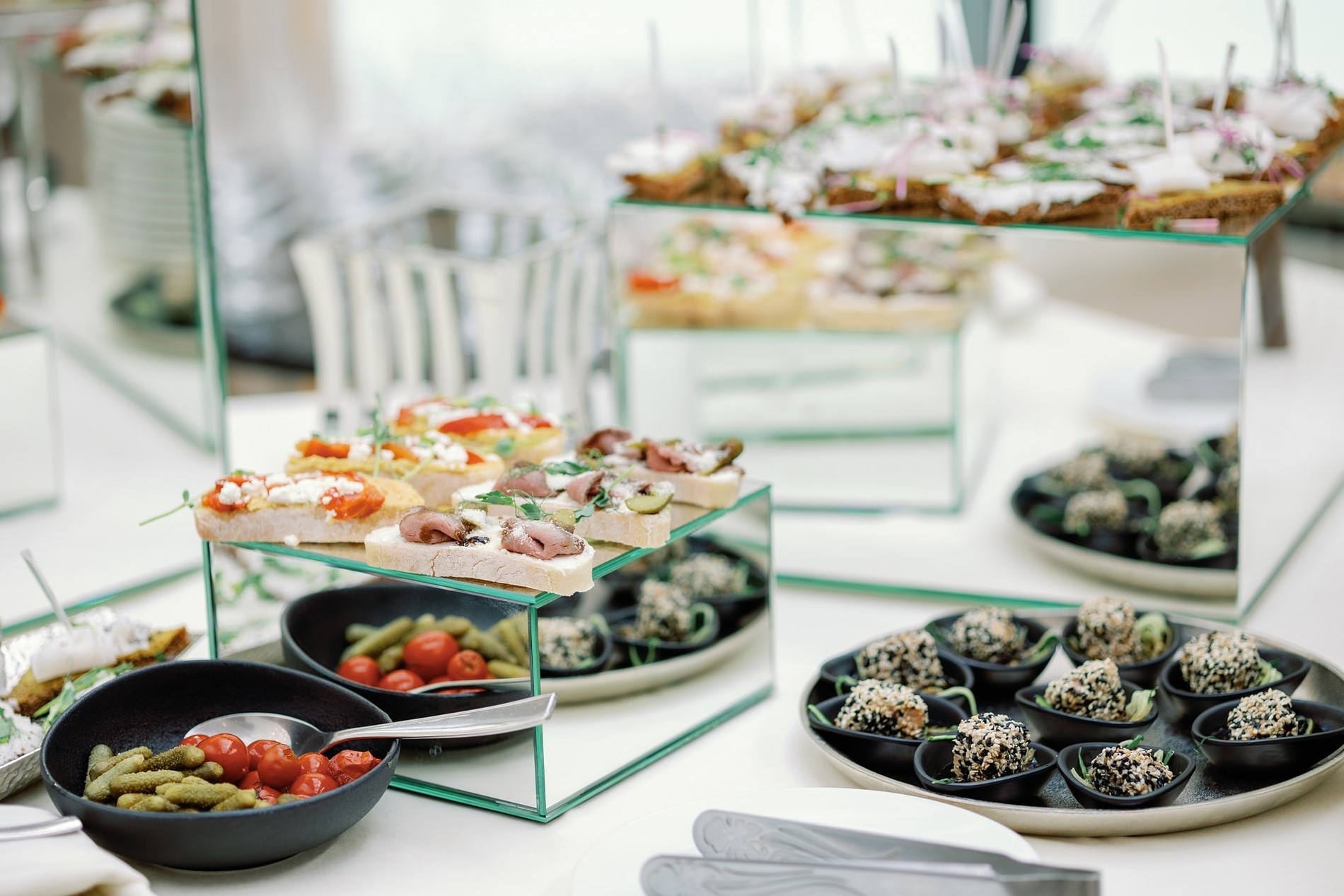
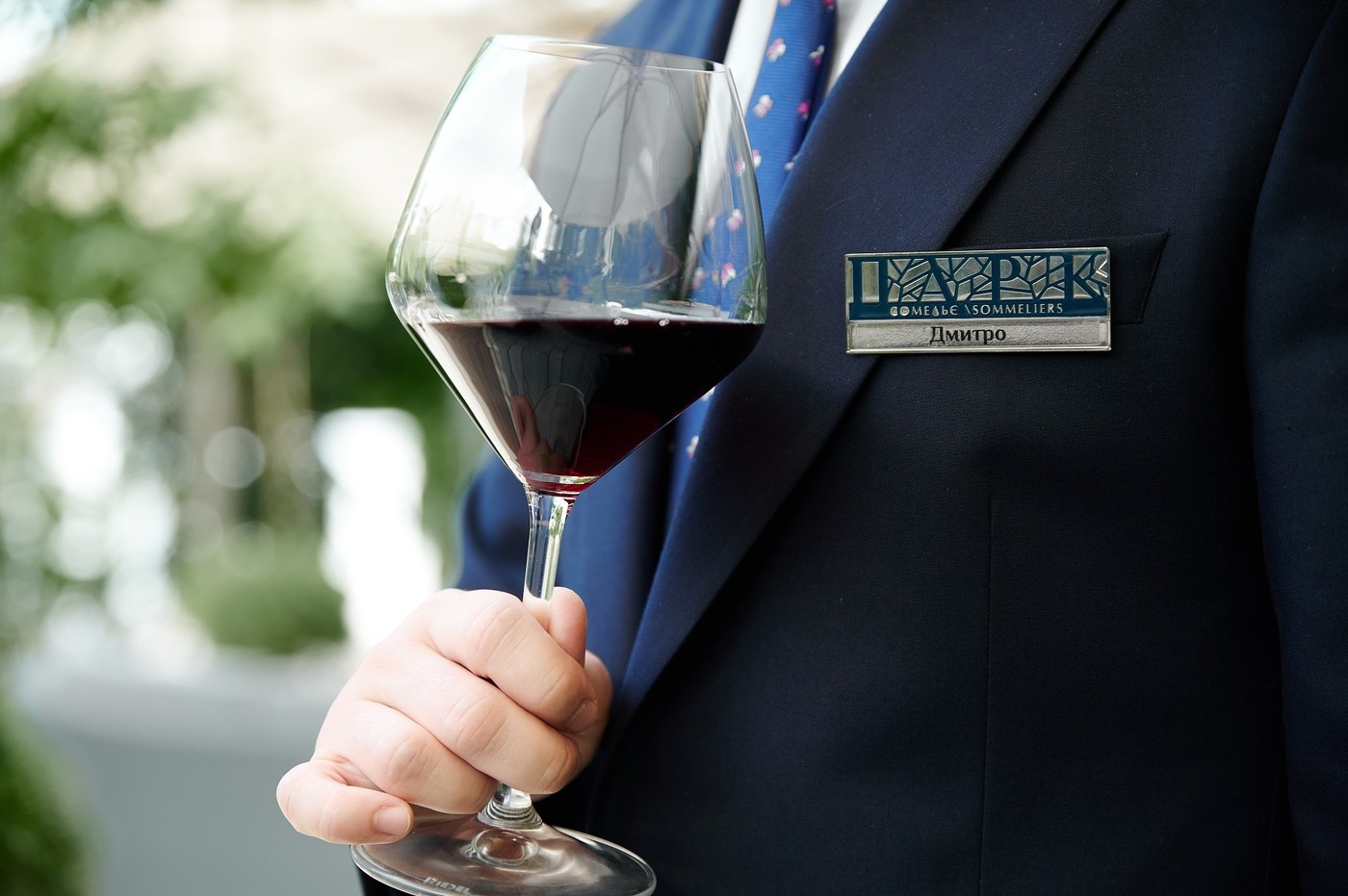
And what do you like? Our menu has the most delicious dishes, prepared according to familiar and original recipes, preserving the traditions of European cuisine. In addition, we offer incredibly aromatic wines from all over the world, which successfully emphasize the taste of the dish and refresh the receptors. Book a table to relax your soul and get real pleasure from eating your favorite dishes. To familiarize yourself with the assortment, look at the special section in the menu, where you will find options for breakfasts and business lunches, banquet and buffet menus, a wine list and more.