The History of Wine: Origins and Evolution – Facts, Myths and Reality
11.10.2023
When did wine appear? According to archaeologists, at least 8 thousand years ago, and possibly much earlier. Who was the author of grape wine is still unknown. Remains of containers containing traces of fermented grape juice have been found in different parts of the planet.
Grapes grew best in Europe. The first grape known to the public was the Cezanne. Its fossilized leaf was found in the south of Champagne, but it disappeared from the face of the Earth long ago, long before the ancestors of modern varieties appeared. Grape varieties that are popular today, for example, Aglianico, are mentioned in Homer's Odyssey.
It is believed that winemaking originated in the 7th millennium BC. A fermentation vessel from this period was found near Tbilisi. Interestingly, natural production methods are popular in Georgia even today. The production process has hardly changed, one only has to compare it with the paintings that decorated an Egyptian tomb dating back to the 15th century BC. Wine culture flourished in Ancient Greece. A lot of written evidence has been found. It was praised by philosophers and poets, recommended by doctors. The wine of that time was very rich and sweet. It was added:
- herbs;
- honey;
- resin;
- spices.
Various additives positively influenced the taste of the drink and increased its shelf life. Concentrated wine was often diluted with water before consumption. Falernian wine was considered the most valuable wine in the "Roman era". It cost 4 times more than others and was even used for calculations. Varieties and wine-growing regions of Ancient Rome were described in detail in the book of Pliny the Elder. Naturalis Historia became the first textbook on enology.
At the beginning of our era, grapevine planting was actively carried out in Roman colonies. It was not realistic to transport wine in amphorae over long distances. To achieve this goal, Celtic barrels began to be used - convenient and reliable. They were also well suited for aging the drink.
The beginning of our era and the Middle Ages
Wine gradually became a part of many cultures. In Reims, it became a court drink. Clovis I was baptized with wine, and Charlemagne created a special service whose task was to supply products, transport and store wine. This is where the word “sommelier” came from. Yes, from “saumalier”, which was the name of the person responsible for the carts with provisions. Even after a century, this position continued to exist, one only has to remember Louis IV. Of course, kings loved wine, and they also transferred land to orders of monks for planting vineyards. Thus, wine-producing abbeys were founded.
The Middle Ages is a period when famous regions are formed. During this time:
- Clos de Vujo appeared in Burgundy, and later the active planting of Pinot Noir began.
- The English are gradually getting to know the taste of red Tuscan.
- On Hermitage Hill, a knight breaks a vineyard, which later turns into a large appellation.
- Chianti appears.
During the period of the Great Geographical Discoveries, the world is divided into New and Old. In the 16th century, grapevines are planted in Chile and Brazil, and a century later they spread throughout the world. Distillation is actively used to obtain strong drinks. Sugar, which is extracted in the colonies, is used to produce rum.
During this period, gin and brandy become popular in Europe. To preserve wine during long-distance transportation, alcohol is added to it. Port wine appears, and in South Africa they begin to produce muscat wine. At the same time, aszu appears, and in Champagne they make sparkling wine.
200 years ago and to this day
Winemaking is actively developing all over the world. Certain traditions arise that are closely related to it: Barolo, standards, appellations. Wine turns into a luxury item. After Louis Pasteur describes fermentation, winemaking and oenology receive another impetus to their own development. Even new grape varieties appear (thanks to selection).
In the 19th century, Europe suffers from phylloxera. This pest is imported from the New World. The epidemic takes on incredible proportions - almost all vineyards disappear. Only vines that grow on sandy soils - in America, Chile, on the coast - remain "alive". A new planting technology (two at a time) appears, which is still used today. Gradually, new winemaking practices emerge, and organic and natural wines come into fashion.
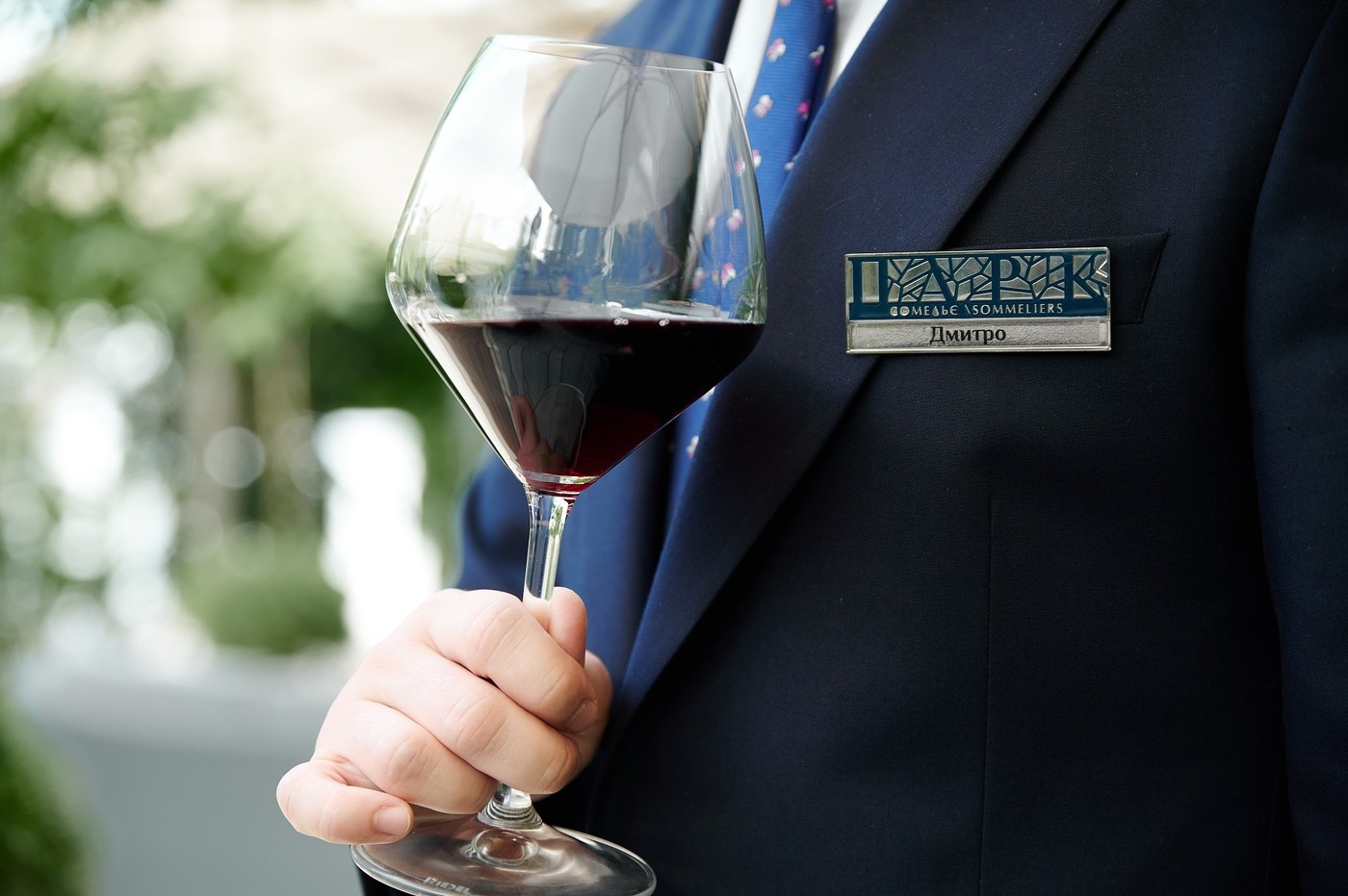
The history of winemaking and wine is shrouded in secrets and legends. Maybe that's why it's so delicious?) To learn more about this incredibly aromatic drink and discover the variety of its flavors, book a wine tasting with your friends at Park. Art of Rest. This is a unique opportunity to spend your free time in an interesting and informative way and get a lot of pleasure from it. Our sommelier will be happy to share his knowledge. We are waiting for you!